
Table of Contents
Filing taxes can feel like navigating a complex system of unfamiliar codes, pressing deadlines, and potential missteps at every turn. Central to this process is the 1040 tax form, the primary document through which individuals report their income to federal authorities. The challenge is compounded by multiple variants, including Form 1040, 1040-SR, and 1040-NR, which can confuse even careful taxpayers. With so many details to consider, even minor mistakes can result in delayed refunds, penalties, or IRS scrutiny, making professional guidance essential. The Law Offices of Nemeth & Flores, serving Dallas, Fort Worth, and Frisco, Texas, have experienced IRS tax attorneys who can guide you through the 1040 tax form, its types, and applicable schedules. In this guide, we outline the key forms and schedules, providing insights to help ensure accurate and confident filing of your federal tax return. Continue reading to gain the knowledge needed to manage your taxes efficiently.
What is Form 1040?
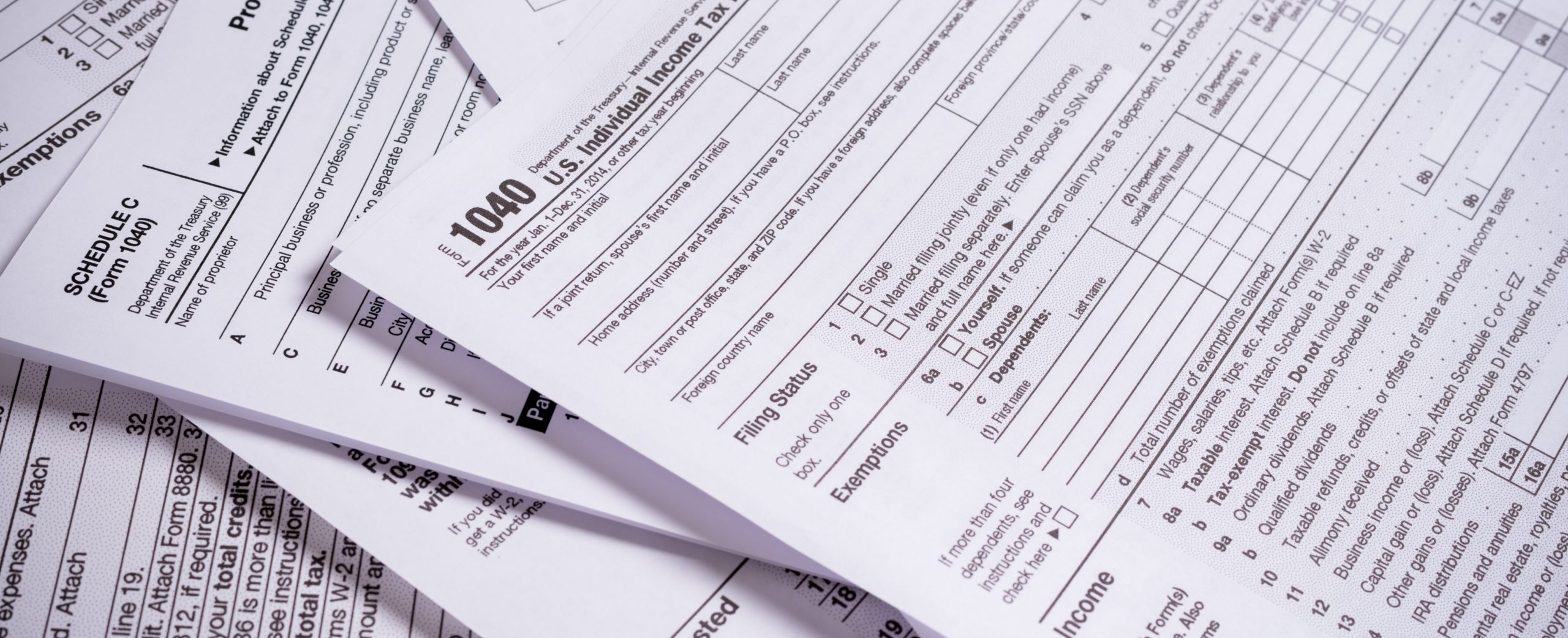
The Form 1040 is the standard federal income tax form that U.S. taxpayers use to report their annual earnings to the Internal Revenue Service (IRS). It captures a wide range of income sources, including wages, salaries, tips, interest, dividends, and other types of income, and allows taxpayers to report adjustments, claim eligible tax credits, and calculate the exact amount of federal tax owed or any refund due. Form 1040 is the primary document individuals submit to fulfill their federal tax obligations, and while additional versions exist for specific circumstances, it remains the standard method for reporting income to the IRS.
Purpose of Form 1040
The purpose of the 1040 tax form is to report an individual’s annual income and establish federal income tax liability. It allows taxpayers to disclose all sources of income, apply eligible adjustments, and claim credits to ensure the precise calculation of taxes owed or refunds due. Additionally, the form provides a standardized framework for the IRS to process returns, evaluate tax obligations, and issue refunds where applicable. It serves as a central record for federal tax compliance, promoting accuracy, transparency, and consistent reporting for all taxpayers.
Don’t Let IRS Tax Problems Keep You Up at Night
Speak with an experienced tax attorney and take the first step toward peace of mind.
Types of Form 1040
There are several 1040 form types designed to address different taxpayer circumstances. Choosing the correct form is essential to ensure accurate reporting and compliance with IRS requirements. Below, we outline the main 1040 form types and their intended purposes:
Form 1040: Standard Individual Income Tax Return
This is the standard federal income tax return used by most U.S. taxpayers to report their annual income, claim deductions and credits, and calculate their federal tax liability. It covers a wide range of income sources, including wages, salaries, tips, interest, and dividends, and allows for adjustments and credits as permitted by law.
Form 1040-SR: For Seniors
The 1040-SR is a version of the standard Form 1040 created specifically for taxpayers aged 65 and older. It features larger print and a simplified layout while providing the same functionality as the standard 1040, making it easier for seniors to complete their tax return.
Form 1040-NR: Nonresident Aliens
The 1040-NR is used by nonresident aliens who earn income in the United States. This form allows them to report U.S.-source income and calculate federal taxes owed while considering any applicable tax treaty benefits or exemptions.
Form 1040-X: Amended Tax Return
The 1040-X is filed to correct errors or make changes to a previously submitted 1040, 1040-SR, or 1040-NR. Taxpayers can use this form to adjust income, credits, deductions, or filing status after their original return has been filed. For tax year 2019 and later, many amended individual returns can be e-filed if your software supports it.
Who Should File Form 1040?
Most U.S. citizens and permanent residents must file a federal tax return if their gross income meets the current-year thresholds for their filing status. For 2024 returns (filed in 2025), the standard deduction, and often the filing trigger, is $14,600 for Single, $29,200 for Married Filing Jointly, and $21,900 for Head of Household. Always confirm the latest figures in the current IRS Form 1040 Instructions.
If you are unsure whether you meet the filing requirements, contact our experienced IRS tax attorneys for personalized guidance.
Other filing requirements include:
- Self-employment: Individuals with net earnings of $400 or more must file and pay self-employment tax.
- Special taxes: Owing alternative minimum tax, household employment taxes, or recapture taxes.
- Health accounts: Receiving distributions from a Health Savings Account (HSA), Archer MSA, or Medicare Advantage MSA.
- Premium Tax Credit: Receiving advance payments that require reconciliation.
- Dependents: For 2024 returns, a dependent generally must file if unearned income is over $1,300, earned income is over $14,600, or gross income is more than the larger of $1,300 or earned income plus $400. See the “Who Must File” section in the 1040 Instructions.
Even if your income is below these thresholds, certain situations may still necessitate filing a return. If you feel uncertain about your filing obligations, reach out to our team of IRS tax specialists for compassionate guidance and practical support.
IRS Form 1040 Instructions
The IRS provides detailed instructions for Form 1040 to help taxpayers accurately complete their federal income tax returns. These instructions explain how to fill out each line of the form, report different types of income, claim deductions and credits, and calculate tax owed or refunds due.
Key points covered in the IRS Form 1040 instructions include:
- Filing status: Guidance on selecting the correct filing status, which affects standard deductions and tax rates.
- Income reporting: How to report wages, salaries, tips, interest, dividends, and other sources of income.
- Adjustments and deductions: Instructions on adjustments to income, itemized deductions, and claiming eligible tax credits.
- Tax calculation: Steps to compute total tax liability, including any additional taxes owed.
- Payments and refunds: How to report tax payments already made and determine the amount of refund due.
- Schedules and attachments: Guidance on when to include additional schedules and supporting forms with Form 1040.
How to fill out the 1040 tax form
Completing the 1040 tax form can feel like a detailed process. While many taxpayers choose to handle it on their own, professional support can make the steps simpler and help minimise the risk of mistakes. Here are the key stages you’ll need to follow:
- Gather necessary documents: Collect all essential paperwork, such as Forms W-2, 1099, and records of other income or deductible expenses. These documents provide the foundation for preparing your return.
- Enter personal information: Fill in your filing status, full name, current address, and Social Security number. Be sure to include details of any dependents you wish to claim.
- Report your income: List all sources of income, including wages, salaries, tips, dividends, and self-employment earnings, to give a complete picture of your annual earnings.
- Apply deductions and credits: Choose whether to take the standard deduction or itemize deductions using Tax Form 1040 Schedule A. Add any applicable tax credits to reduce your overall liability.
- Complete additional schedules if required: Depending on your circumstances, you may need to attach schedules such as 1040 Schedule C for business income or 1040 Schedule 3 for additional credits and payments.
- Calculate taxes and payments: Refer to the tax tables and instructions to determine your final tax liability, apply any payments already made, and identify whether you owe additional taxes or are due a refund.
- Sign and file your return: Submit your completed IRS Form 1040 either electronically or by mail, and retain copies of all documents for your personal records.
Every Day Counts: Don’t Let IRS Tax Problems Grow Out of Control
Get strategic guidance to resolve your IRS tax issues efficiently.
Form 1040 Schedules Explained
The Form 1040 is often accompanied by schedules that report income, deductions, credits, or taxes not fully captured on the main form. These schedules allow taxpayers to report business profits, itemized deductions, capital gains, household employment taxes, and credits such as the Earned Income Credit or Child Tax Credit. Using the appropriate schedules ensures accurate reporting and simplifies the IRS Form 1040 process.
Schedule 1: Additional Income and Adjustments to Income
Schedule 1 is used to report income not listed directly on the 1040 tax form, such as unemployment compensation, rental income, gambling winnings, or business income not reported elsewhere. It also covers adjustments to income, including educator expenses, student loan interest, and contributions to retirement accounts. Filing this schedule ensures that both extra income sources and deductions lowering taxable income are correctly reflected.
Schedule 2: Additional Taxes
Schedule 2 includes taxes that do not appear on the main IRS Form 1040. This can involve the Alternative Minimum Tax (AMT) or repayment of excess advance premium tax credits received for health insurance. It may also include other specialised taxes owed. Taxpayers complete this schedule when their circumstances trigger obligations beyond regular income tax.
Schedule 3: Additional Credits and Payments
Schedule 3 is where taxpayers report certain tax credits and payments not claimed directly on the 1040 tax form. These include nonrefundable credits such as the foreign tax credit and education credits, as well as refundable credits like the American Opportunity Credit. Using this schedule helps reduce overall tax liability or increase refunds when eligible credits apply.
Schedule A: Itemized Deductions
Tax Form 1040 Schedule A is used by taxpayers who choose to itemize deductions instead of taking the standard deduction. Common deductions include mortgage interest, state and local taxes, charitable contributions, and certain medical expenses. Filing Schedule A allows individuals to reduce taxable income when itemized deductions exceed the standard deduction.
Schedule B: Interest and Ordinary Dividends
File Schedule B if your taxable interest or ordinary dividends exceed $1,500 for the year, or if you have certain foreign accounts or are a grantor of certain foreign trusts. It provides a detailed breakdown of these earnings, including those from bank accounts, bonds, and stocks. This schedule ensures proper reporting of global financial activities.
Schedule C: Profit or Loss from Business
1040 Schedule C is for self-employed individuals, freelancers, or sole proprietors who need to report business income and expenses. It allows taxpayers to calculate net profit or loss from their business activities, deducting eligible expenses such as supplies, rent, or advertising. Correctly filing this schedule helps ensure accurate taxable income for small business owners.
Schedule D: Capital Gains and Losses
Schedule D is used to report gains or losses from the sale of stocks, bonds, real estate, and other capital assets. It calculates net capital gain or loss, which directly impacts taxable income. Filing this schedule ensures proper tax treatment of investments.
Schedule E: Supplemental Income and Loss
Schedule E reports income or loss from rental properties, royalties, partnerships, S corporations, estates, and trusts. It provides detailed sections for each type of supplemental income, ensuring accurate reporting of complex financial activities beyond wages or business earnings.
Schedule EIC: Earned Income Credit
Schedule EIC is required when claiming the Earned Income Credit (EIC), a benefit for low- to moderate-income workers. It includes information about qualifying children and helps determine eligibility for the credit. You use Schedule EIC only if you are claiming the credit with one or more qualifying children. Taxpayers claiming EITC without a qualifying child do not file Schedule EIC.
Schedule F: Profit or Loss from Farming
Schedule F is used by farmers to report income and expenses from agricultural activities. It captures earnings from selling livestock, produce, grains, or other farm products, as well as deductible farming expenses. This schedule determines the net profit or loss from farming operations.
Schedule H: Household Employment Taxes
Schedule H applies to individuals who employ household workers, such as nannies, housekeepers, or caregivers. It is used to calculate Social Security, Medicare, and federal unemployment taxes owed for domestic employees. Filing ensures compliance with employment tax responsibilities.
Schedule J: Income Averaging for Farmers and Fishermen
Schedule J allows farmers and fishermen to average all or part of their taxable income over the prior three years. This provision helps smooth out fluctuations in earnings, potentially lowering overall tax liability in years of unusually high income.
Schedule R: Credit for the Elderly or Disabled
Schedule R provides a tax credit for individuals who are age 65 or older, or for those under 65 with a permanent and total disability. The credit reduces overall tax liability and is based on income limits and filing status. It is designed to offer financial relief to seniors and disabled taxpayers. By completing Schedule R, eligible filers can claim this important federal tax benefit.
Schedule SE: Self-Employment Tax
Schedule SE calculates Social Security and Medicare taxes for individuals with self-employment income. Freelancers, independent contractors, and sole proprietors complete this schedule alongside the IRS Form 1040 to determine net earnings and the self-employment tax owed, ensuring accurate contributions to Social Security and Medicare.
Schedule 8812: Child Tax Credit
Schedule 8812 is used to claim the refundable portion of the Child Tax Credit, known as the Additional Child Tax Credit. It helps qualifying families receive financial support, even if their tax liability is reduced to zero. This schedule works in conjunction with the main Form 1040 and other credits. By filing Schedule 8812, families can maximize their tax savings and secure refunds for dependent children.
Get Expert Help Filing Your 1040 Tax Return with the Law Offices of Nemeth & Flores
Navigating the IRS Form 1040 can be complex, with numerous schedules, deductions, and credits requiring careful attention. The Law Offices of Nemeth & Flores provides expert guidance throughout every step of filing, helping you understand the forms, determine applicable schedules, and manage your tax obligations efficiently. With the support of knowledgeable IRS tax attorneys, you can handle your 1040 tax form and associated schedules with confidence, ensuring accuracy and full compliance. Call (972) 426-2944 or fill out our contact form to schedule a consultation and approach your federal tax responsibilities with clarity and assurance.
Frequently Asked Questions
What documents do I need to fill out Form 1040?
You will need Forms W-2 for wages, 1099s for other income, records of deductible expenses, interest and dividend statements, and any documents for credits or adjustments you plan to claim.
When is the deadline to file Form 1040?
The federal deadline to file Form 1040 is typically April 15 each year. If the date falls on a weekend or holiday, it may be extended to the next business day.
Can I file Form 1040 electronically?
Yes, Form 1040 can be filed electronically using IRS e-file services or approved tax software, offering a secure process and often resulting in faster refunds.
What is the difference between Form 1040 and Form 1040-SR?
Form 1040-SR is designed for taxpayers aged 65 or older, featuring larger print and a simplified layout, but it functions the same as the standard Form 1040.
Do I need to file a state tax return in addition to Form 1040?
Filing a federal Form 1040 does not replace state tax obligations. You may need to file a separate state tax return depending on your state’s requirements.
What happens if I make a mistake on Form 1040?
Errors can delay refunds or trigger IRS notices. You may need to file Form 1040-X to amend any mistakes once identified.
How do I get a copy of my filed Form 1040?
You can request a transcript or a copy from the IRS online, by mail, or by calling the IRS directly. Keep personal copies for your records.
Is Form 1040 the same as a W-2?
No. Form 1040 is your federal tax return, whereas a W-2 reports income earned from employers. W-2 information is used to complete your 1040.
What is the difference between a 1040 and a 1099?
Form 1040 is the tax return, while 1099 reports specific income types like freelance earnings, interest, or dividends, which are included on your 1040.
Why are the “short forms” 1040A and 1040EZ no longer available?
The IRS eliminated Forms 1040A and 1040EZ to simplify filing. All taxpayers now use the standard Form 1040 with schedules for additional details.
Where can I get help filing Form 1040 near me in Dallas–Fort Worth?
You can seek assistance from certified tax professionals and IRS-approved tax preparation services. At the Law Offices of Nemeth & Flores, our knowledgeable IRS tax attorneys guide you through every step of the Form 1040 process, from gathering documents to filing accurately and confidently.
Reviewed and Verified By

Please follow and like us: