
Table of Contents
Tax paperwork can often blur into a maze of forms and codes, especially when government payments like unemployment benefits or state tax refunds come into play. Among these documents, Form 1099-G often causes confusion because it looks straightforward but carries significant implications for your tax return. Many people discover too late that missing or misunderstanding it can trigger an IRS notice or a mismatch in reported income. Knowing how this form works and what information it holds is not just about filing correctly; it is about protecting yourself from avoidable tax issues. This article unpacks everything you need to know about Form 1099-G, what it reports, and how to make sure your return reflects it accurately.
What is Form 1099-G?
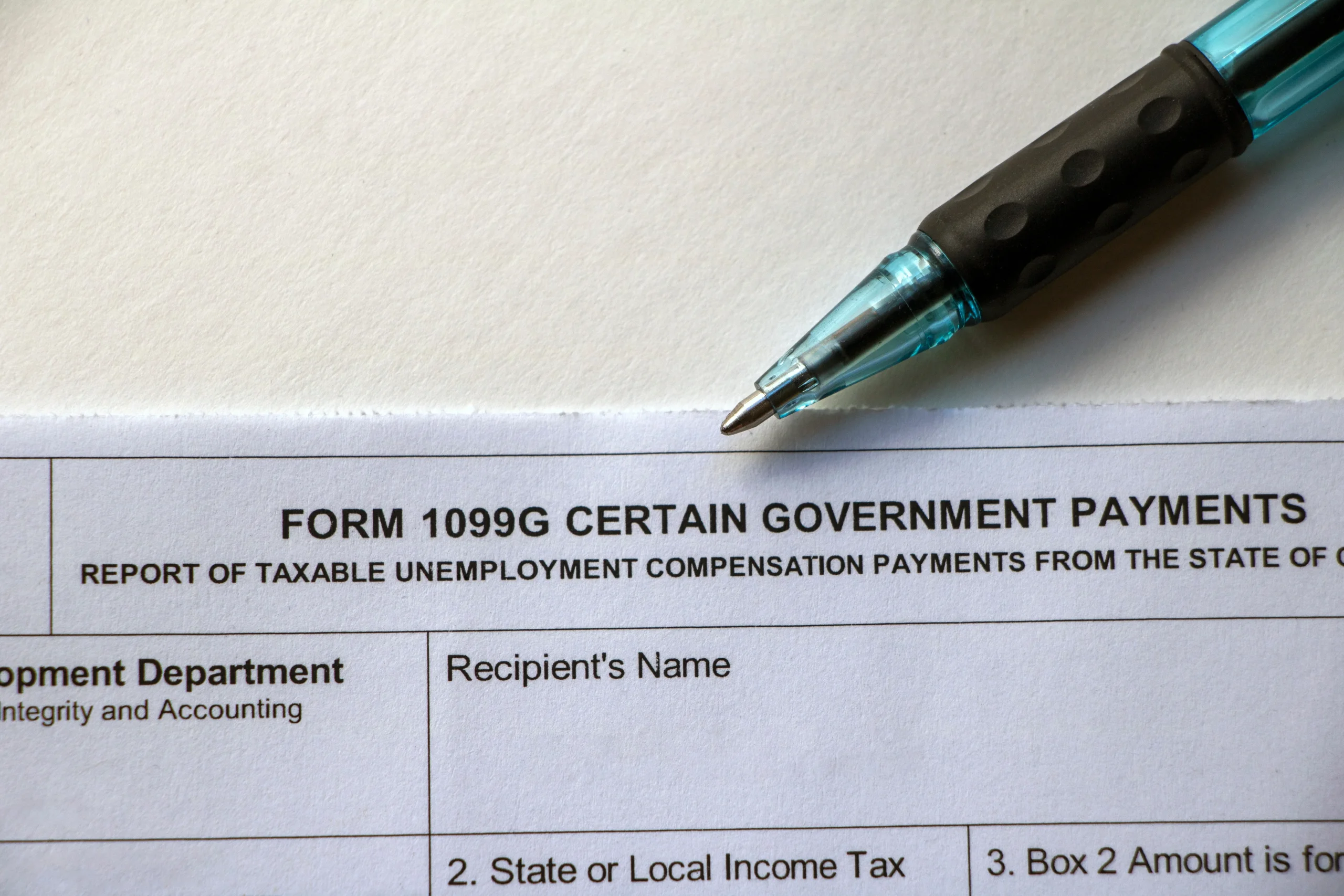
Form 1099-G is an official statement from a government agency that documents specific payments made to a taxpayer during the year. Unlike other IRS forms that report wages or investment income, this form focuses solely on government disbursements that may be taxable. The information it contains helps ensure that income from programs such as unemployment insurance or tax refunds is accurately captured on a federal return. Each entry corresponds to a specific payment type and the issuing agency, creating a clear record for both the taxpayer and the IRS. Because a copy is sent to the IRS as well, the form acts as a verification tool that confirms what was paid and what is reported on the return correctly. Its value lies not only in compliance but also in clarity, allowing taxpayers to see precisely how certain government benefits or refunds affect their overall tax situation.
What Payments are Reported on Form 1099-G?
Form 1099-G reports several types of government payments that may need to be included as income on a federal tax return. Issued by the agency that made the payment, it helps the IRS verify that taxable disbursements, those not related to wages or private employment, are correctly reported by the recipient. The most common entries on this form include unemployment compensation, state or local tax refunds, and specific government grants or agricultural payments. Each payment type is assigned its own box on the form to clearly distinguish how the income should be reported when filing your tax return.
Unemployment Compensation
Unemployment compensation is one of the most common payments listed on Form 1099-G, reported in Box 1. State agencies issue this form to individuals who received unemployment benefits during the year, including standard unemployment, Pandemic Unemployment Assistance (PUA), or similar programs. These benefits are considered taxable income by the IRS, unless a specific exclusion applies for that tax year. The form also indicates any federal or state income tax withheld from those payments. Accurate reporting of this income prevents mismatches with IRS records, which can otherwise trigger a notice or adjustment request.
State or Local Tax Refunds, Credits, and Offsets
Taxpayers who received a refund, credit, or offset of state or local income taxes in the previous year will see this amount reported on Form 1099-G. Whether the refund is taxable depends on whether the individual itemized deductions on their federal return. Those who claimed a deduction for state income taxes in the prior year may need to include part or all of the refund as taxable income. Box 2 of the form lists the total refund amount, ensuring transparency between the state agency’s records and the taxpayer’s federal filing.
Other Government Payments and Grants
Beyond refunds and unemployment benefits, Form 1099-G may also report other taxable government payments. These include Reemployment Trade Adjustment Assistance (RTAA) payments, taxable grants, and agricultural payments issued through programs such as those administered by the Department of Agriculture or Commodity Credit Corporation. In addition, certain relief or market facilitation payments made under federal programs may also appear here. Each of these amounts is reported by the issuing agency and contributes to the taxpayer’s total income if considered taxable under federal law. These figures ensure accuracy and help the IRS confirm that income from public funds is properly documented and reported.
Don’t Let IRS Tax Problems Keep You Up at Night
Speak with an experienced tax attorney and take the first step toward peace of mind.
Who Receives Form 1099-G and Why?
Form 1099-G is sent to individuals or entities that received certain taxable or reportable payments from a federal, state, or local government agency during the year. The purpose is to inform recipients of income that must be reported on their federal tax return and to help the IRS cross-check reported amounts for accuracy.
You may receive Form 1099-G if:
- You collected unemployment benefits. State agencies send this form to report unemployment compensation, including benefits paid under regular or federal programs.
- You received a state or local tax refund. Taxpayers who itemized deductions on their federal return and later got a refund or credit from their state will receive this form to report the amount.
- You accepted a taxable government grant or payment. This includes agricultural subsidies, trade adjustment assistance, or other federally funded grants that qualify as taxable income.
- You were part of a government payment offset. If part or all of your refund was redirected to settle debts such as unpaid taxes or child support, it will appear on your Form 1099-G.
How to Read and Interpret Form 1099-G
Form 1099-G is not just a receipt of government payments. It is a verification tool used by the IRS to ensure that all taxable income is correctly reported. Reviewing it carefully helps determine whether a refund or benefit you received affects your federal return. Each box on the form conveys specific information, and knowing what they represent can prevent reporting mistakes that often lead to IRS correspondence such as a CP2000 notice.
Key Boxes and What They Mean
Box 1: Unemployment Compensation
Lists the total unemployment benefits paid to you during the year. This amount is usually taxable and must be included in your income unless an exception was announced for that tax year.
Box 2: State or Local Income Tax Refunds, Credits, or Offsets
Shows any refund or credit of state or local income tax. Whether it is taxable depends on if you itemized deductions in the prior year. If you claimed the standard deduction, this amount typically is not taxable.
Box 4: Federal Income Tax Withheld
Displays the amount of federal tax withheld from your payment. You can claim this amount as a credit on your return when calculating your total taxes paid.
Box 5: Certain Trade Adjustment Payments
Reports reemployment trade adjustment payments made under federal assistance programmes.
Box 6: Taxable Grants
Shows any taxable grants you received from government agencies.
Box 7: Agricultural Payments
Reports payments you received from the U.S. Department of Agriculture.
Box 9: Market Gain
Displays the market gain on certain types of commodity loans (Common Credit Corporation) available to farmers.
Boxes 10a, 10b, and 11: State Information
Show the state payer’s code, the amount of state income tax withheld, and the payer’s state identification details. These entries help reconcile your state and federal filings accurately.
Example of a Completed Form 1099-G
A completed Form 1099-G might show $8,000 in Box 1 for unemployment compensation, with $800 in Box 4 reflecting federal income tax withheld. If the taxpayer also received a $300 state tax refund, that amount would appear in Box 2. The top of the form lists the payer’s name, federal identification number, and the recipient’s Social Security number or taxpayer identification number, along with the tax year being reported.
When reviewing the form, recipients should verify that:
- The reported amounts match benefit or payment records.
- Any federal or state withholding is correctly reflected.
- The payer and recipient information is accurate before filing.
While this may seem routine, these small checks serve a crucial purpose. The IRS uses Form 1099-G to cross-verify reported income across systems, so even a minor mismatch, such as an incorrect refund figure or missing withholding, can delay processing or lead to an unexpected notice. Taking a few minutes to interpret each box correctly not only ensures accuracy but also strengthens the reliability of your tax return.
How to Report Form 1099-G Income on Your Tax Return
Form 1099-G provides information that must be entered accurately on your federal return so the income you report matches what the IRS has on file. Each type of payment shown on the form is handled differently, and understanding where it belongs can prevent filing errors and unnecessary IRS notices. If the process feels unclear, consulting an IRS tax attorney can help you interpret complex reporting rules and ensure full compliance. Let’s take a look at some examples and mistakes to avoid.
Reporting Unemployment Compensation
Unemployment compensation reported in Box 1 is generally taxable. This amount should be included on Schedule 1 (Form 1040), line 7, and then carried forward to your main tax return. If any federal income tax was withheld, as shown in Box 4, you can claim it as a credit when calculating your total payments.
It is also important to check whether any temporary tax relief applies for that filing year, as certain periods have allowed limited exclusions on unemployment income. Always verify this information through the latest IRS instructions.
Reporting State or Local Tax Refunds
Refunds, credits, or offsets of state or local income taxes appear in Box 2. Whether this amount is taxable depends on whether you itemized deductions in the previous tax year.
- If you used the standard deduction, the refund is not taxable.
- If you itemized deductions, the refund may be partly or fully taxable.
The State and Local Income Tax Refund Worksheet in the IRS instructions for Schedule A helps determine the correct portion to include in income. This step is often overlooked, yet it plays a key role in preventing misreporting or discrepancies when reconciling income records.
IRS Guidance and Common Mistakes to Avoid
The IRS uses Form 1099-G to cross-check reported income with data received from government agencies. Even a small mismatch can lead to processing delays, refund adjustments, or IRS notices such as a CP2000 requesting clarification.
To avoid errors, keep in mind the following:
- Confirm that all figures match your payment or benefit records.
- Report unemployment income and refunds only once and in the correct section of your return.
- Include any withholding from Box 4 or state boxes when calculating total taxes paid.
- Request a corrected form before filing if you notice inaccuracies.
Every Day Counts: Don’t Let IRS Tax Problems Grow Out of Control
Get strategic guidance to resolve your IRS tax issues efficiently.
Get Expert Help with Form 1099-G
Accurate reporting of Form 1099-G income is essential for maintaining compliance with federal tax regulations. Whether it involves unemployment compensation, state refunds, or other government payments, even a minor reporting error can trigger an IRS notice or inquiry.
With offices in Dallas, Frisco, and Fort Worth, the Law Offices of Nemeth & Flores assists Texas taxpayers in addressing notice-related concerns and resolving issues arising from Form 1099-G reporting. From clarifying mismatched income reports to managing audits or correspondence with the IRS, we help ensure your matter is handled efficiently and accurately.
If you’ve received an IRS notice or are uncertain about your Form 1099-G, schedule a consultation with us today. Call (972) 426-2944 or complete the contact form on our website. Expert help today can prevent unnecessary penalties and ensure peace of mind during tax filing.
Frequently Asked Questions
Who receives Form 1099-G?
Form 1099-G is sent to individuals who received certain payments from federal, state, or local government agencies during the year. This includes unemployment benefits, state or local tax refunds, trade adjustment assistance, or other taxable government grants or payments.
Do I need to report my 1099-G on my tax return?
Yes, if the payments listed on your 1099-G are considered taxable, they must be reported on your federal income tax return. The form helps ensure that the income you report matches what the IRS has on record.
Why did I get a 1099-G for unemployment benefits?
You received a 1099-G because your state’s unemployment agency is required to report the total unemployment benefits you received during the year. These benefits are generally taxable and must be included in your income when you file your federal return.
What should I do if the information on my 1099-G is incorrect?
If your 1099-G shows an incorrect amount or personal information, contact the issuing agency immediately. They can review your payment history, make necessary corrections, and issue a revised form. If you cannot obtain a corrected form in time, file your tax return using the correct information and keep documentation showing that you reported only the income you actually received.
What if I was a victim of unemployment fraud and received a 1099-G?
If you received a 1099-G for unemployment benefits you did not claim, report the suspected fraud to your state unemployment office as soon as possible. The agency will investigate and issue a corrected form showing zero benefits if the claim was indeed fraudulent.
Do I need a tax lawyer to handle unpaid taxes from my 1099-G income?
If unpaid taxes related to your 1099-G income have led to penalties, notices, or disputes with the IRS, consulting a tax lawyer experienced in IRS cases, such as the attorneys at the Law Offices of Nemeth & Flores, is recommended. They can review your case, communicate with the IRS on your behalf, and negotiate payment arrangements or penalty relief if applicable.
How can a tax attorney in Dallas–Fort Worth help with IRS disputes related to Form 1099-G?
Yes. The Law Offices of Nemeth & Flores assists Dallas–Fort Worth residents with IRS disputes involving Form 1099-G. Our experienced tax attorney can review filings, resolve errors, and represent you directly before the IRS for a smoother resolution.
Can a tax attorney help me reduce penalties for not reporting 1099-G income?
Yes. A qualified tax attorney can assess your eligibility for penalty abatement, establish reasonable cause, or negotiate an instalment agreement with the IRS. Professional representation often improves the chances of reducing or removing penalties.
How long should I keep my 1099-G form and tax records?
Keep Form 1099-G and related tax records for at least three years from the date your return was filed. This timeframe aligns with the IRS’s standard audit period. If you underreported income by more than 25%, you should retain records for up to six years.
Reviewed and Verified By

Please follow and like us: