

Need to elect S corporation tax status for your business? Form 2553, Election by a Small Business Corporation, is the IRS form used to elect S corporation status for...

Need to elect S corporation tax status for your business? Form 2553, Election by a Small Business Corporation, is the IRS form used to elect S corporation status for...

A Trump account is a newly introduced tax-advantaged, long-term savings and investment account for children under 18, created under the One Big Beautiful Bill Act (OBBBA). The goal is...

In today’s day and age, more individuals are choosing freelancing, consulting, and independent business ownership over traditional employment. While freelancing and other roles offer flexibility and independence, it also...

Filing taxes as a self-employed individual can feel overwhelming, especially when multiple forms, deadlines, and calculations are involved.

If payments are received through online marketplaces, freelance platforms, or apps that process credit card and digital transactions, there is a chance those amounts may be reported on Form...

When a property is sold or transferred, certain details of the transaction may be reported to the IRS using Form 1099-S. Many individuals encounter this form during real estate...

Gifting may seem simple, but the IRS has clear gift tax rules that determine when a transfer becomes reportable or taxable. If you plan to transfer substantial money, property,...
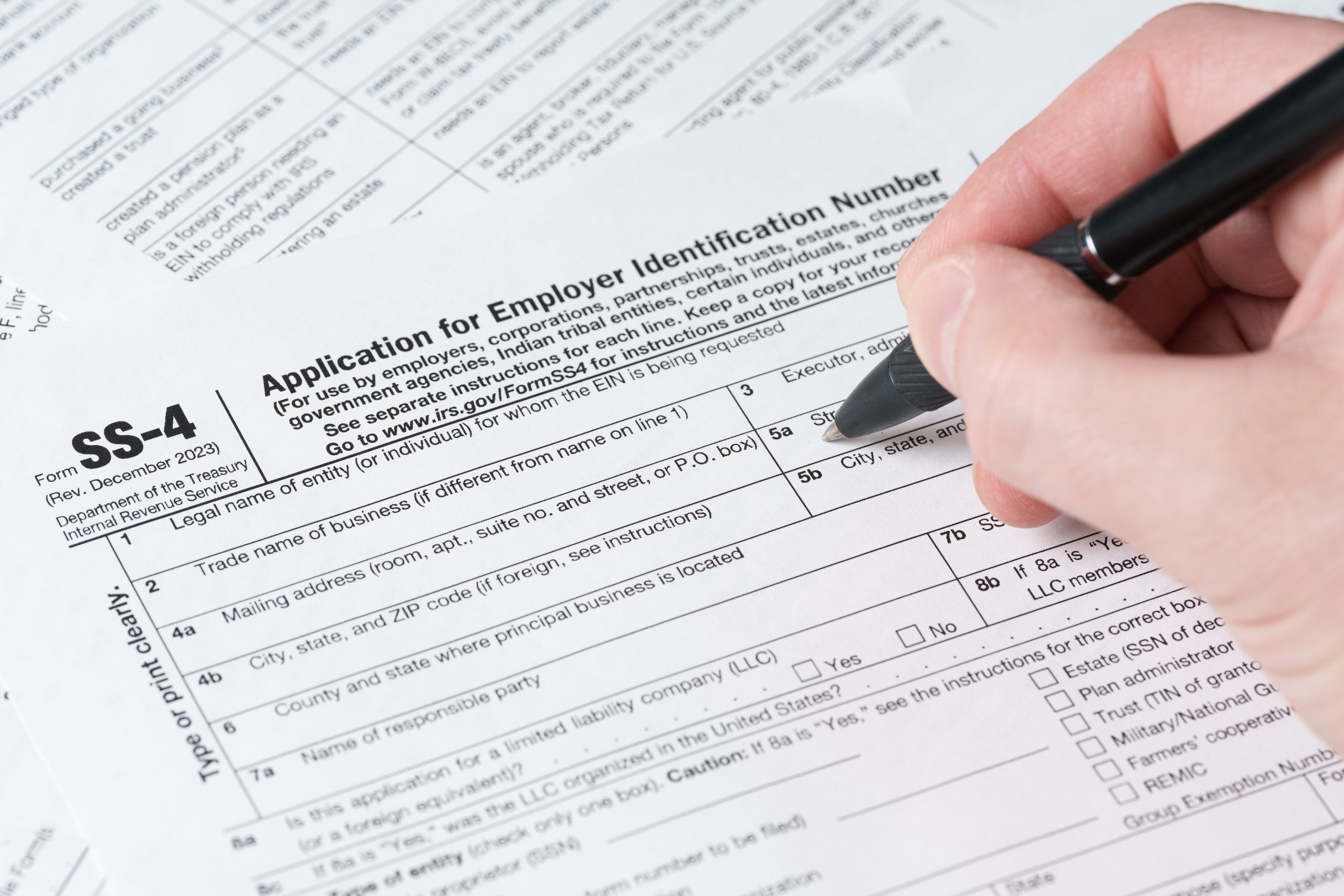
One of the first and most important steps in starting or managing a business in the United States is obtaining an Employer Identification Number (EIN). An Employer Identification Number...

Owning property often comes with tax obligations, but the terminology used around them can be confusing. Many homeowners and investors come across terms like property tax and real estate...